
Investigation and Surveillance Built Around the Facts
Professional investigative support focused on observation, documentation, interviews, surveillance review, and information gathering when a security concern requires deeper attention.
Some Security Concerns Require a Closer Look
Not every security concern can be understood through routine observation alone. Incidents, recurring problems, unexplained activity, internal concerns, or patterns may require a more focused investigative approach.
Investigation and surveillance support can help organize available information, document relevant activity, review existing records, and develop a clearer understanding of what occurred.
A Structured Approach to Gathering Information
The appropriate investigative approach depends on the concern, available information, property environment, and objectives of the assignment.
Surveillance Review
Reviewing available footage and relevant activity to better understand events and movement around an incident.
Field Observation
Conducting discreet observation where additional visibility into activity or patterns may be appropriate.
Information Gathering
Speaking with relevant individuals and collecting information that may help clarify a security concern or incident.
Document Review
Reviewing reports, access records, timestamps, logs, photographs, and other available information.
Pattern Analysis
Comparing activity, timelines, incidents, or observations to identify patterns that may require further attention.
Reporting
Organizing relevant findings and observations into clear, professional documentation.
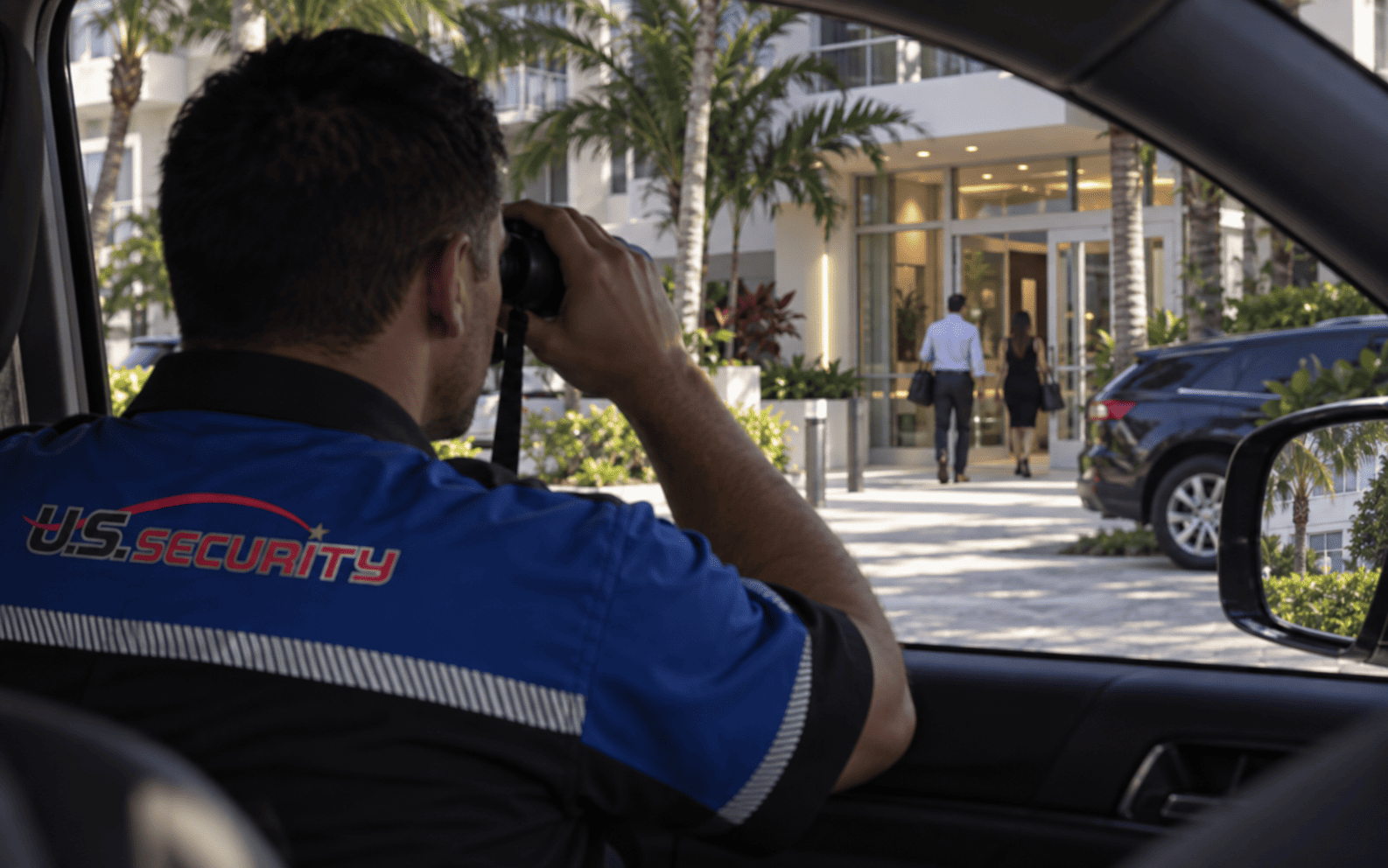
Discreet Observation When the Situation Calls for It
Certain assignments may require observation beyond routine on-site security coverage.
Where appropriate, field surveillance can help document activity, identify patterns, and provide additional information related to a specific security concern.
Good Investigations Bring Different Information Together
Interviews, documents, surveillance footage, records, observations, and timelines can each provide part of the picture.
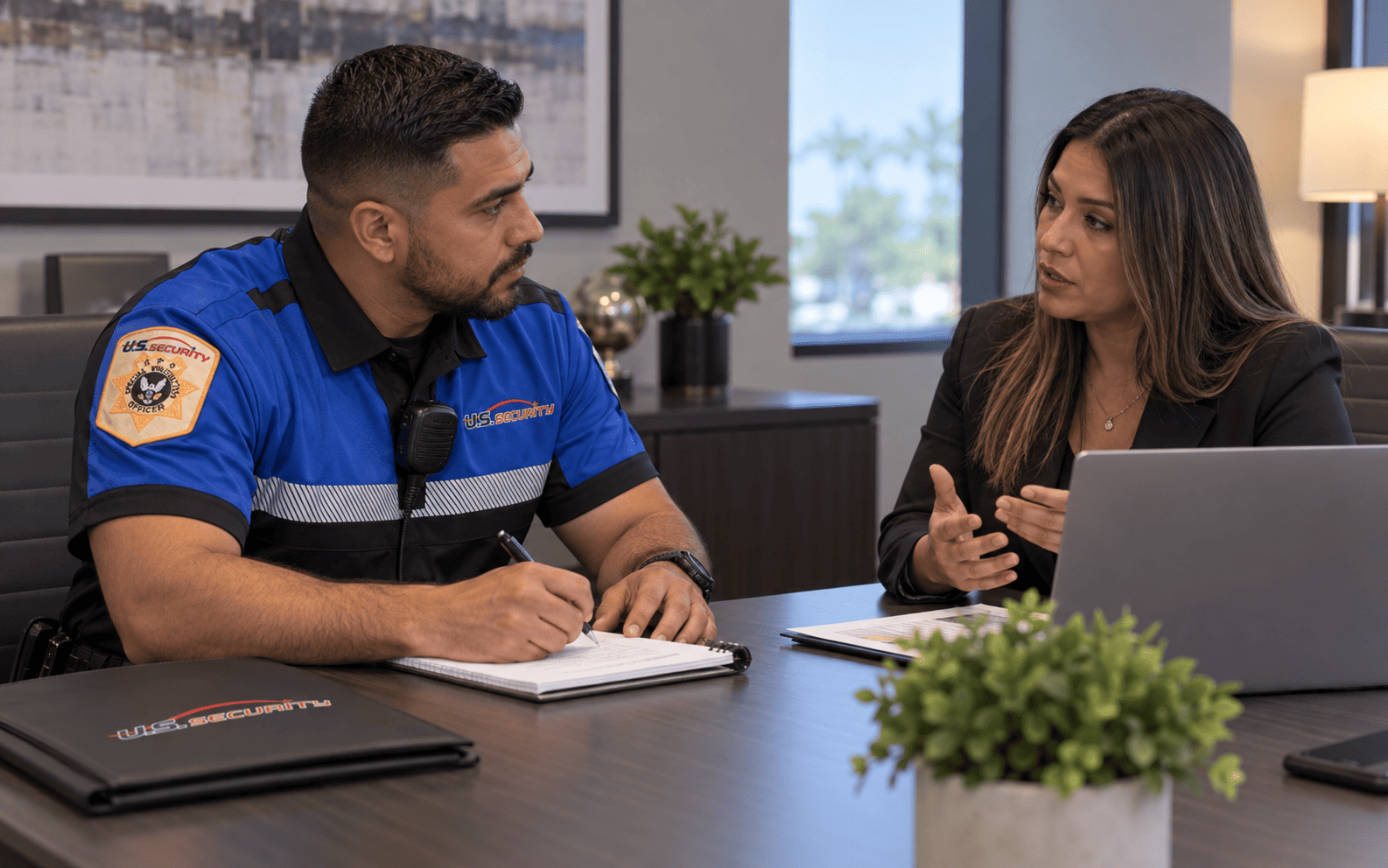
Understanding What People Saw, Heard, or Experienced
Individuals connected to an incident may hold important pieces of information that are not visible in a report or surveillance recording.
Professional information gathering can help establish sequence, context, observations, and details that may contribute to a clearer understanding of the concern.
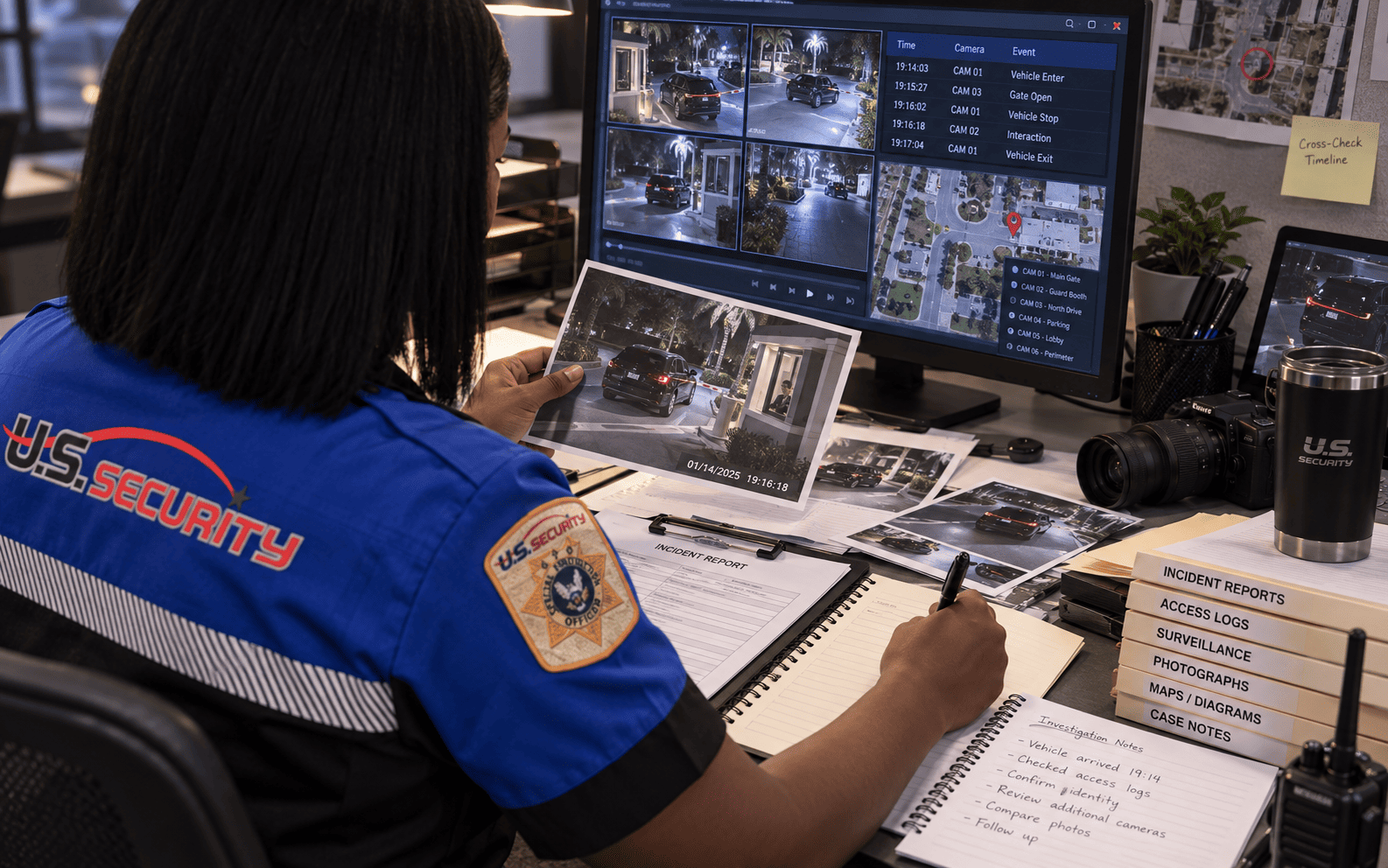
Details Matter When Reconstructing an Incident
Reports, logs, access records, timestamps, photographs, surveillance stills, and other documentation can help establish when events occurred and how different pieces of information relate to one another.
A structured review can help organize those details into a clearer sequence and identify areas that may require further attention.
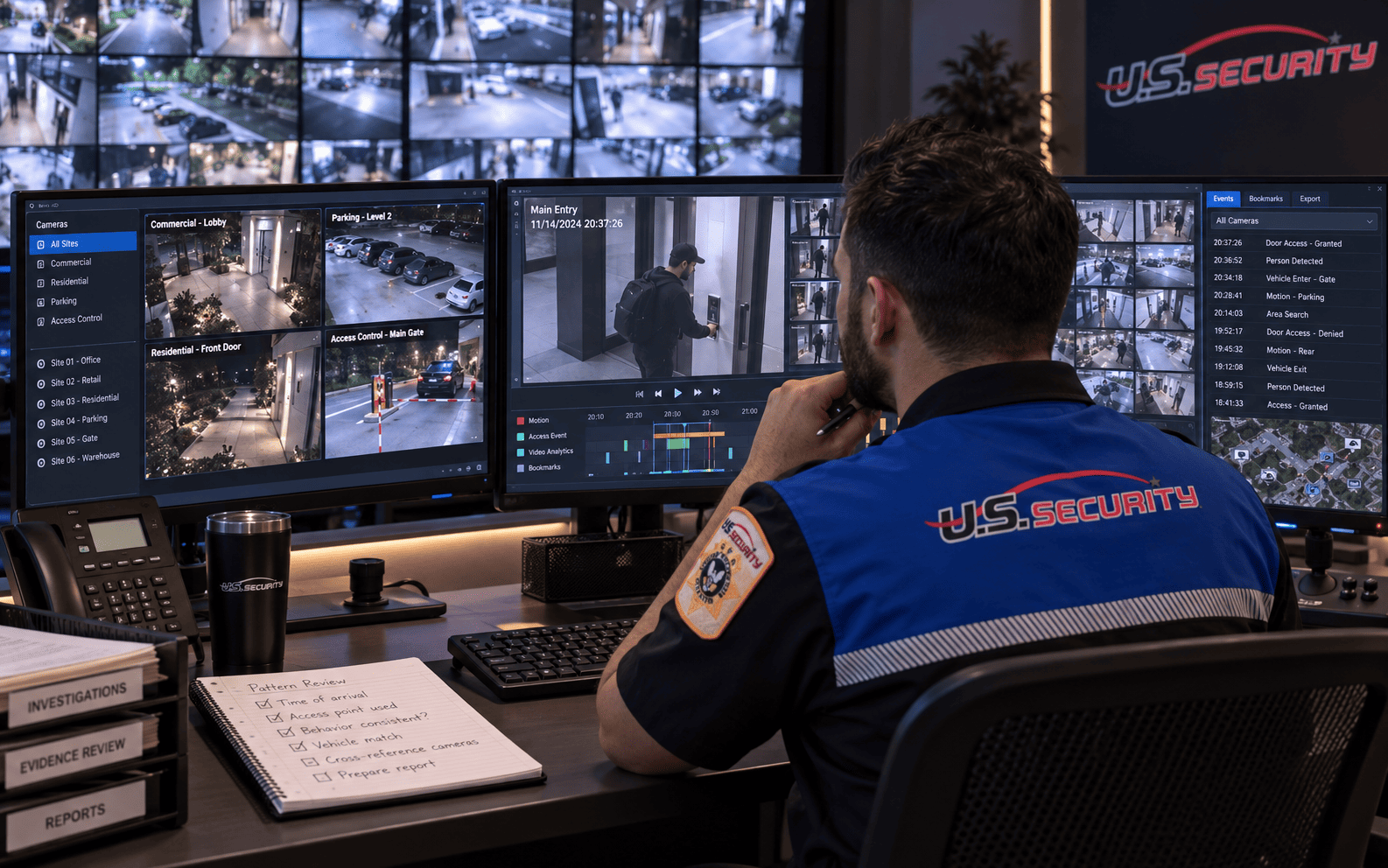
Turn Recorded Activity Into Useful Information
Surveillance footage can provide valuable context when it is reviewed with a specific question, timeframe, or incident in mind.
Reviewing available footage may help identify movement, sequence, entry or exit activity, timing, or other details connected to the concern being examined.
Professional, Discreet, and Focused on Relevant Information
Investigative work should remain organized, professional, and focused on the specific concern being reviewed.
Discreet
Objective
Organized
Documented
Professional
A Structured Path From Concern to Findings
The investigative process should reflect the question being examined, the information available, and the type of support required.
Define the Concern
Understand the incident, issue, question, or pattern that requires further review.
Identify Information
Determine what footage, reports, logs, interviews, observations, or other records may be relevant.
Gather & Review
Organize and review the available information according to the objectives of the assignment.
Develop the Timeline
Compare events, records, observations, and activity to establish useful context and sequence.
Document Findings
Organize relevant observations and information into clear professional documentation.
Investigation & Surveillance FAQs
What types of situations may require investigative support?
Can investigations include surveillance footage review?
Can investigators interview employees or other individuals?
Can you review incident reports and access records?
Is surveillance always conducted in the field?
How do we get started with an investigation?
Let’s Talk About Your Investigation or Surveillance Needs
Tell us about the concern, incident, available information, or activity that requires closer review. We’ll help you identify the appropriate next step.