Technology-Supported Patrol With Greater Coverage Visibility
Professional patrol operations supported by route visibility, checkpoint verification, field documentation, and supervisory oversight across the property.
Patrol Coverage Should Be Organized, Documented, and Visible
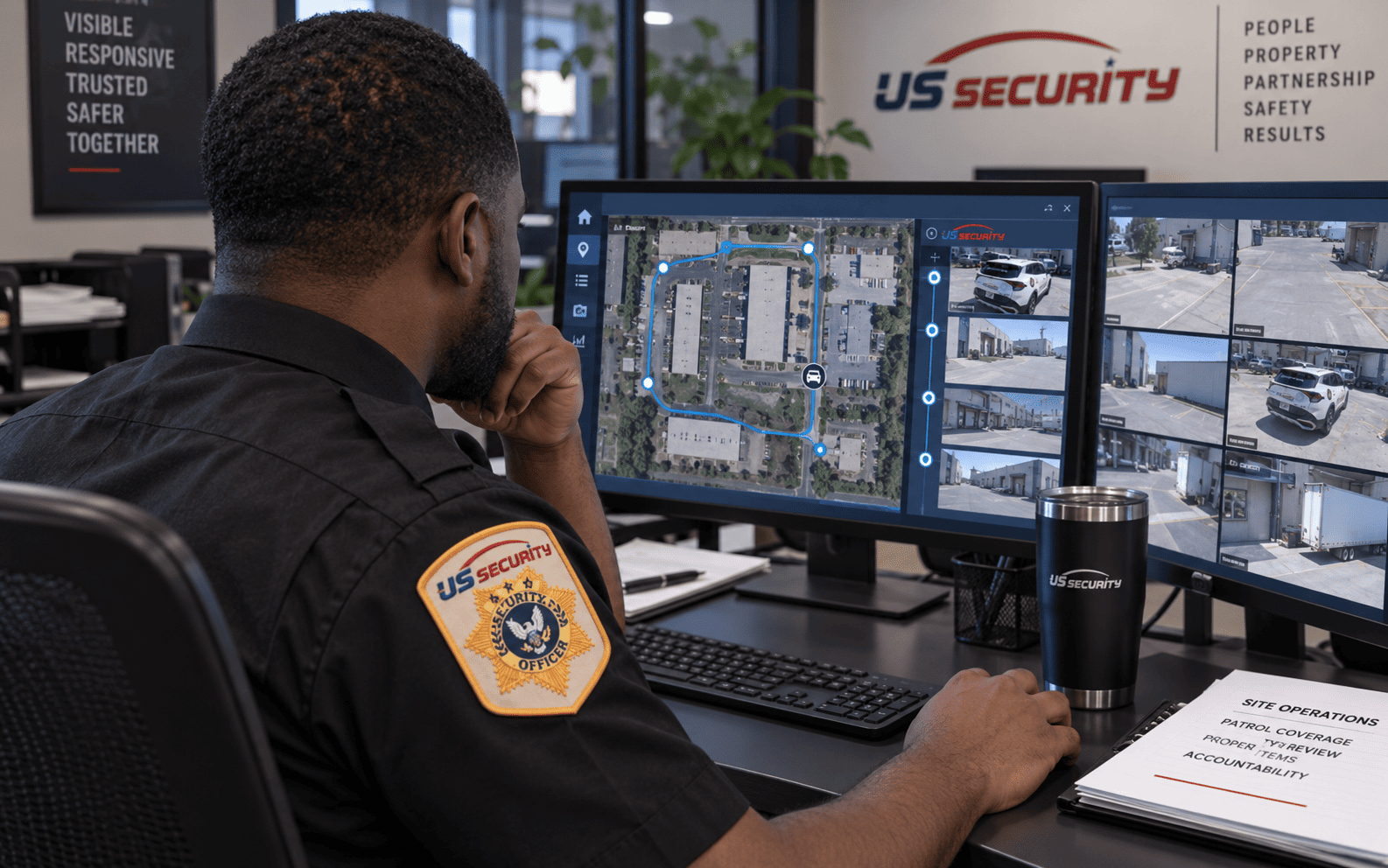
Mobile patrol can cover large areas, but effective patrol management also depends on knowing which areas were visited, when patrol activity occurred, and whether designated checkpoints or routes were completed.
Technology-supported patrol activity can help provide additional visibility into patrol movement and coverage while supporting documentation, accountability, and supervisor oversight.
Support for a More Structured Patrol Operation
GPS-supported patrol workflows can help organize property coverage and provide greater operational visibility into how patrol activity is being performed.
Route Visibility
Supporting visibility into patrol movement across designated property areas and internal routes.
Checkpoint Verification
Helping document visits to designated patrol points throughout the property.
Patrol Documentation
Supporting organized records of patrol activity, observations, and property conditions.
Supervisor Visibility
Providing operational insight that can support oversight of patrol activity and property coverage.
Property-Wide Coverage
Supporting patrol across parking, buildings, roadways, entrances, garages, and other designated areas.
Operational Awareness
Helping management and security personnel maintain better visibility into patrol activity across the site.
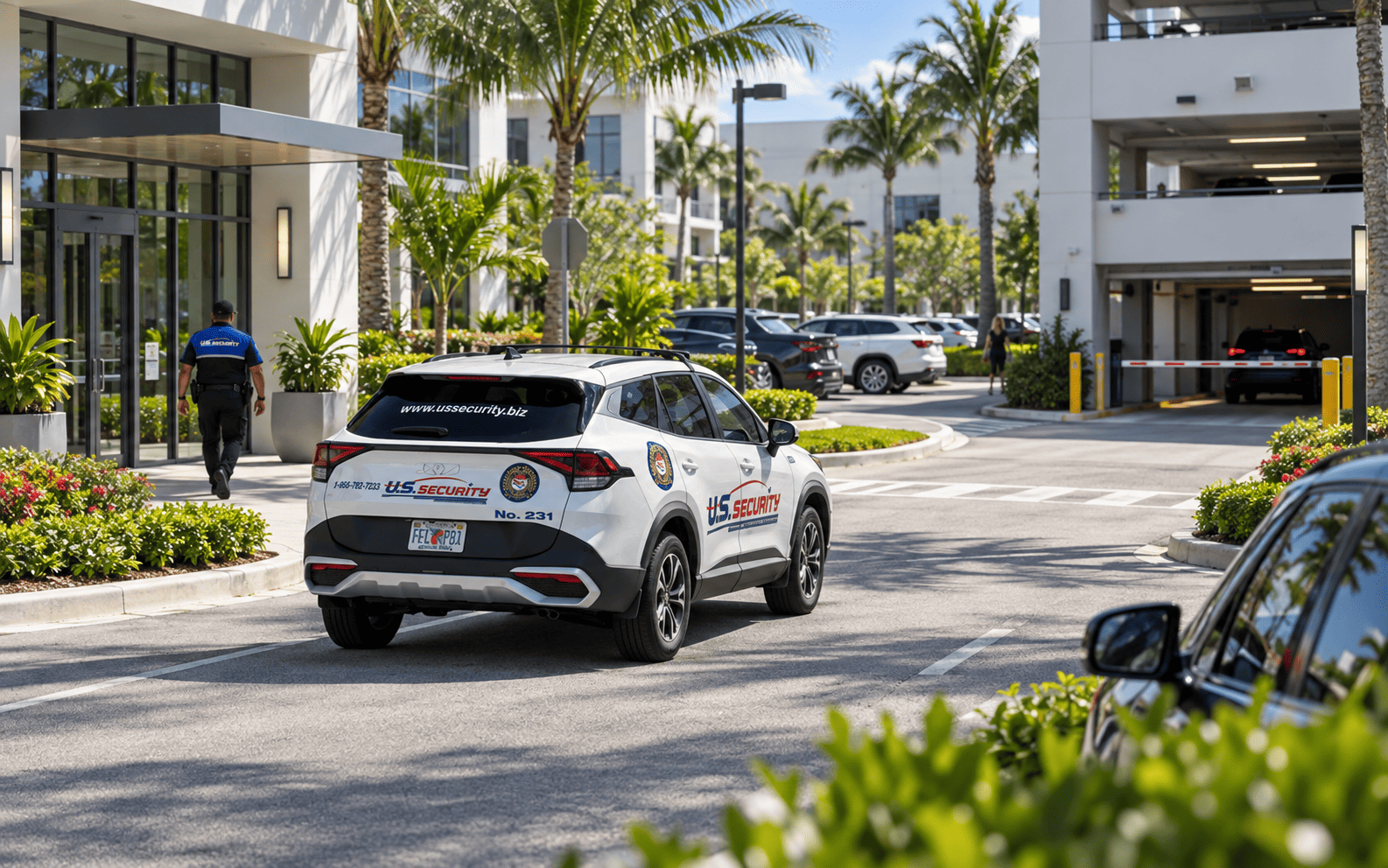
Patrol Beyond a Single Entrance or Fixed Post
Larger properties often include multiple buildings, internal roads, parking areas, garages, entrances, exterior zones, and other locations that require regular security attention.
Mobile patrol allows security personnel to move through these areas while technology-supported tracking can provide greater visibility into overall patrol movement.
Better Visibility Across the Patrol Process
Patrol activity can include movement across the property, checkpoint verification, supervisor review, and documentation of what officers observe while in the field.
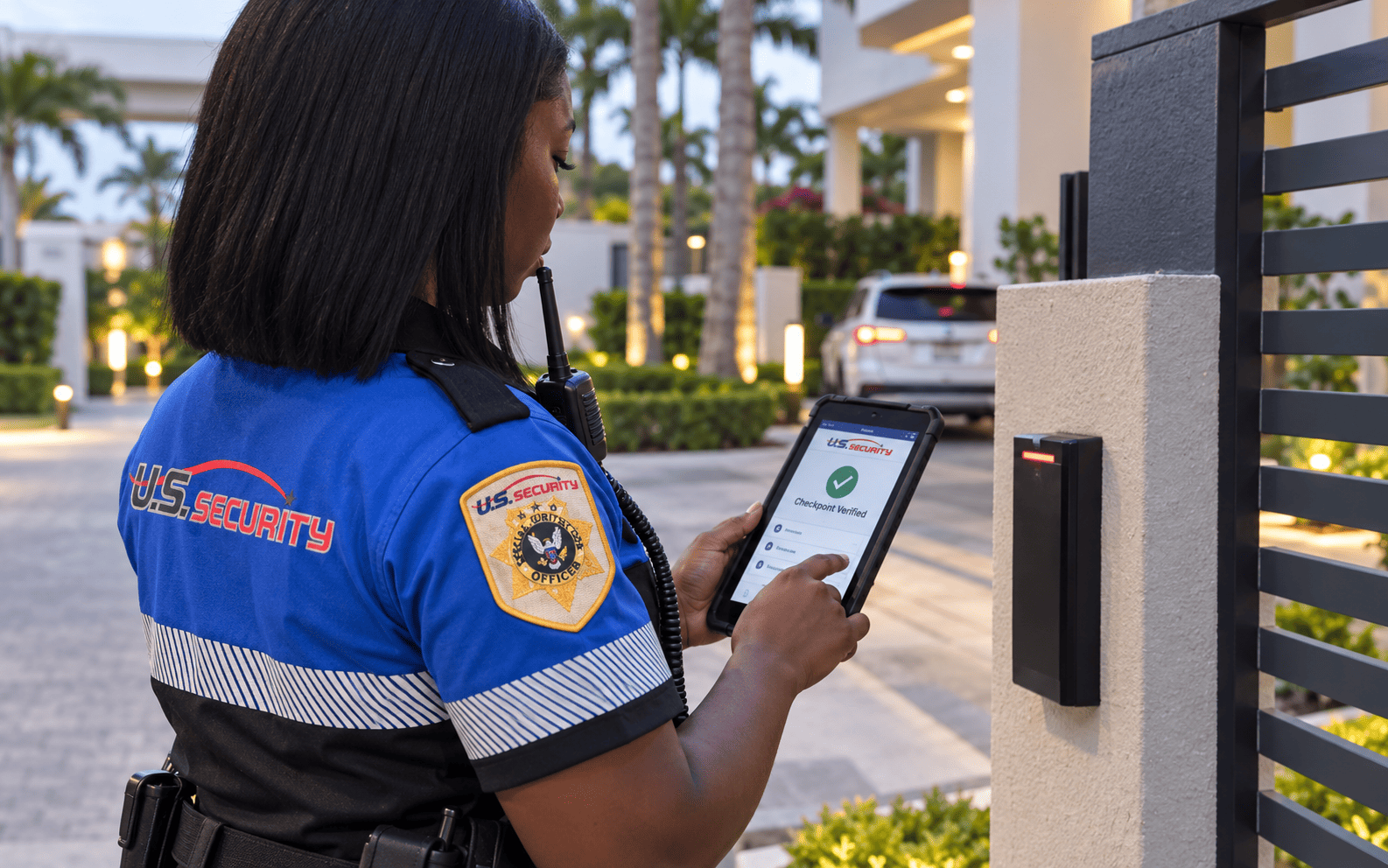
Build Structure Into the Patrol Route
Designated checkpoints can help organize patrol activity around the areas that matter most to the property.
These locations may include entrances, garages, equipment areas, common spaces, loading areas, exterior zones, or other points that require regular security attention.
Greater Visibility Into How Patrol Coverage Is Being Performed
Patrol operations can benefit from more than the officer’s physical presence alone. Supervisory visibility can help provide context around route activity, designated checkpoints, and overall property coverage.
Technology-supported patrol information can help supervisors better understand where patrol activity occurred and support operational follow-up when needed.
Capture More Than the Route
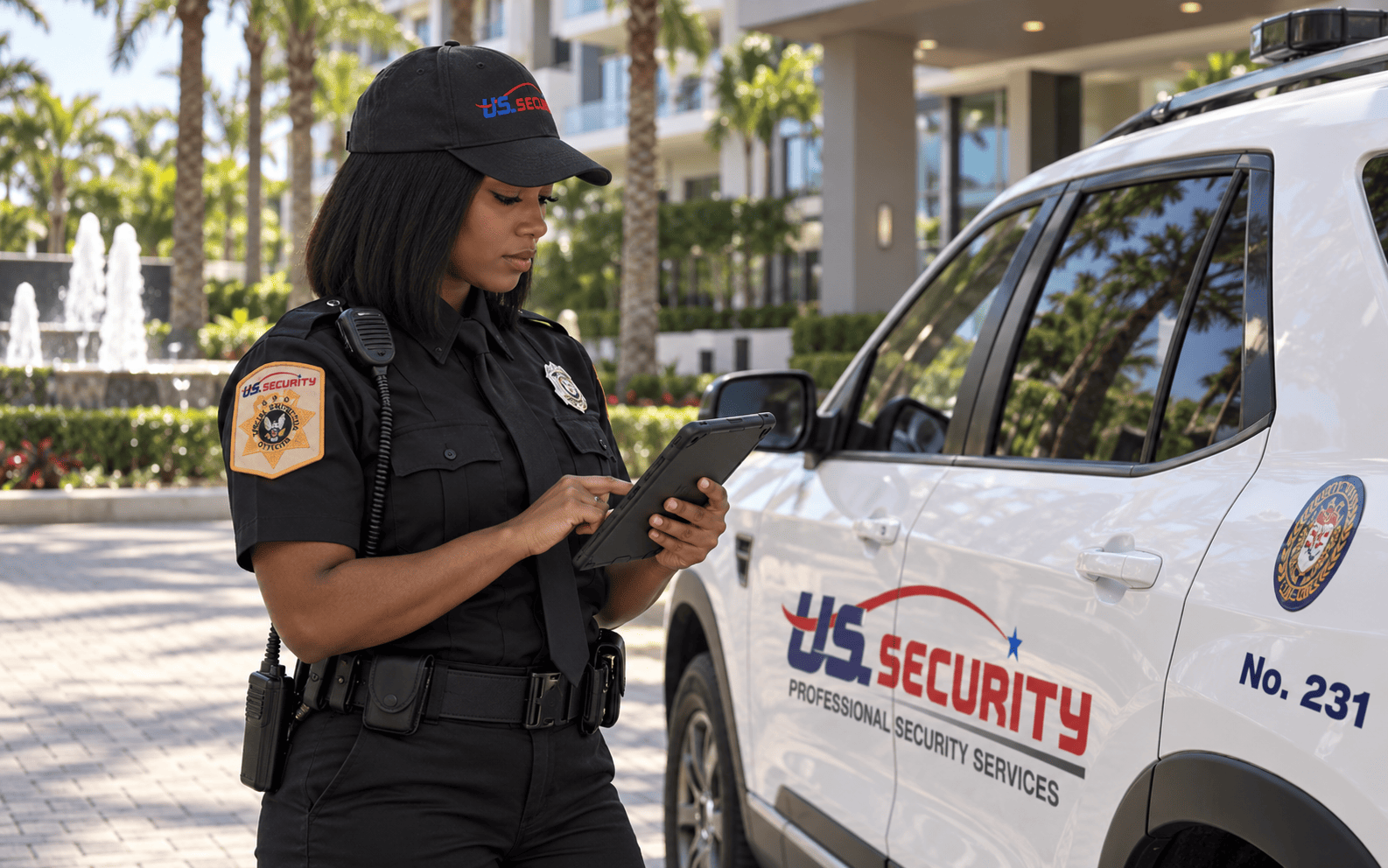
Patrol personnel may encounter property conditions, access concerns, unusual activity, maintenance issues, or other observations while moving through the site.
Mobile documentation can support a more complete record of patrol activity and relevant observations beyond the route itself.
Built for Properties With Multiple Areas to Cover
GPS-supported patrol can be useful where security responsibilities extend across a property rather than remaining at a single fixed post.
Parking Areas
Garages
Entrances
Internal Roads
Exterior Zones
Patrol Routes Built Around the Property
The right patrol structure depends on the size of the property, priority areas, internal routes, operating hours, and the security concerns that require regular attention.
Review the Property
Understand the site layout, patrol areas, entrances, parking, roads, structures, and priority locations.
Define Coverage
Establish appropriate routes, checkpoints, and patrol priorities based on the property environment.
Document Activity
Support patrol records, observations, checkpoint activity, and relevant field information.
Maintain Visibility
Use available patrol information to support supervisor awareness and ongoing operational oversight.
GPS Tracking Patrol FAQs
What is GPS Tracking Patrol?
Does GPS tracking replace the security officer?
What types of properties can use GPS-supported patrol?
Can patrol checkpoints be customized to the property?
Can officers document what they observe during patrol?
How do we determine the right patrol route?
Let’s Talk About Your Patrol Coverage
Tell us about your property, patrol areas, checkpoints, parking, internal roads, and current security needs. We’ll help you identify the right patrol approach.